





Yet it’s precisely during moments like these that the health of our skin is often determined for years to come.
Many of us long for a beautiful bronze tan, but few know how to tan properly and safely.
At a time when climate change is bringing increasingly intense UV radiation and the ozone layer is not what it used to be, the topic of sun protection is becoming more important than ever before.
Statistics show a dramatic increase in skin cancer cases among increasingly younger patients. Yet most of these cases could have been prevented with proper precautions and protection.
The good news is that modern science offers us a wide range of options for enjoying sunny days safely and to the fullest.
From the latest findings on the effects of UV radiation, to revolutionary sun protection products, to innovative dietary supplements.
UV Radiation and Its Impact on the Skin: What You Need to Know for Safe Sunbathing
Sunlight is essential for life, but its effects on our skin can be a double-edged sword. While moderate sun exposure promotes vitamin D production and improves mood, excessive sun exposure can lead to serious health problems.
Types of UV Radiation and Their Characteristics
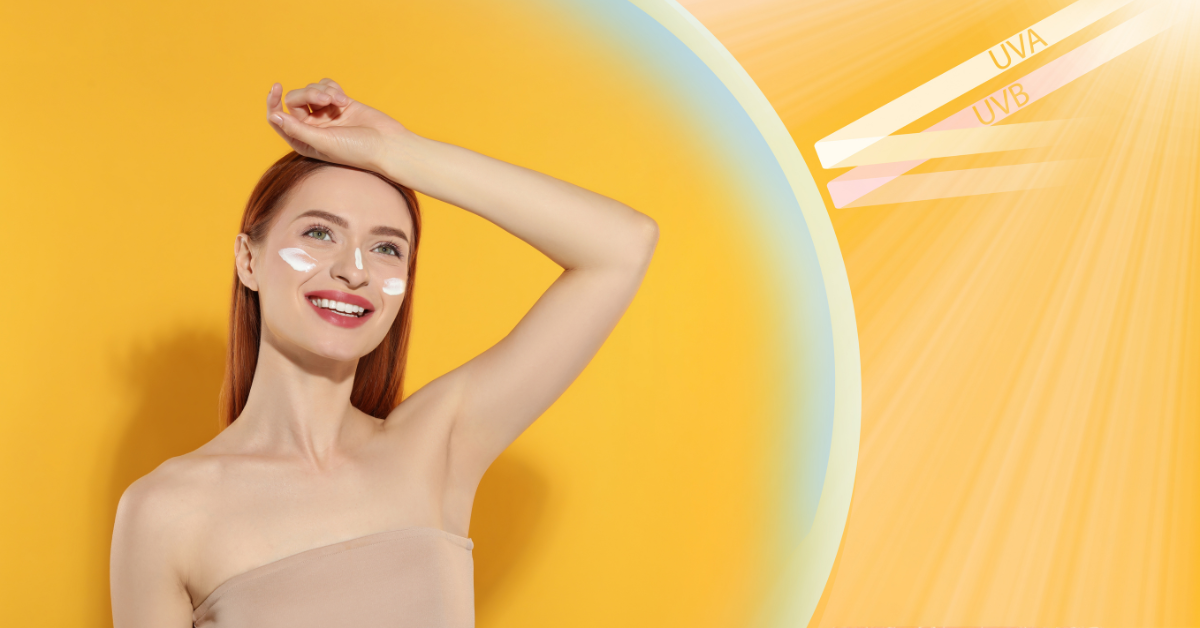
- UVA radiation: We most commonly encounter UVA radiationwhich accounts for up to 95% of all UV radiation reaching Earth. This type of radiation is particularly insidious—it penetrates deep into the skin, passes through glass and clouds, and remains equally intense throughout the year. It is the main culprit behind premature skin aging, the formation of wrinkles, and the appearance of age spots.
- UVB radiation: Although UVB radiation accounts for only 5% of total UV radiation, it has a significant impact on our skin. Unlike UVA radiation, it does not penetrate glass, but its effects are felt almost immediately—it is UVB radiation that causes sunburn and redness. It is also responsible for the production of melanin, which is what gives us a tan. Its intensity is not constant—it is strongest between 11:00 a.m. and 3:00 p.m.
- UVC radiation.There is also a third type UVC radiation.UVC radiation is the shortest-wavelength and most energetically intense form of ultraviolet radiation, with a wavelength of 100–280 nanometers. Precisely because of its high energy, this type of radiation is extremely dangerous to all living organisms, as it can directly damage cellular DNA
Fortunately, it is blocked by the ozone layer and, under normal circumstances, does not reach our skin.
How does UV radiation affect our skin?
The effects of UV radiation on the skin can be observed immediately. The first symptoms include:
- redness,
- sunburn, and
- tanning.
In more sensitive individuals, a sun allergy may develop. The skin also dehydrates quickly and may become irritated.
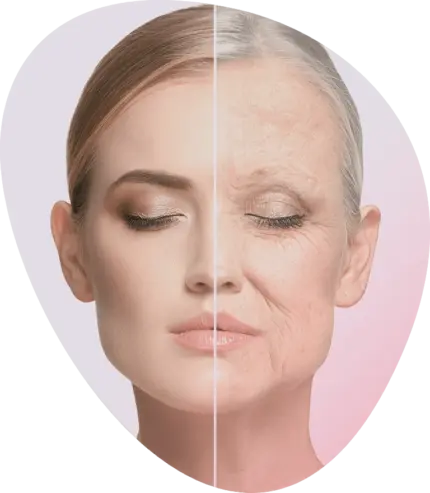
In the long term, the consequences are even more serious. Excessive exposure to UV radiation accelerates skin aging and promotes the formation of wrinkles and age spots. The skin loses its elasticity and, worst of all, the risk of skin cancer increases. UV radiation damages cellular DNA and weakens the skin’s immune system.
However, the sun isn’t just our enemy. It also has positive effects on our health. It promotes the production of vitamin D3, which is essential for our bones and immune system. Sunlight improves mood, promotes the production of serotonin (the “happiness hormone”), and has a positive effect on sleep quality.
It can even help with certain skin conditions, such as psoriasis.
For optimal vitamin D production, very little is needed—just expose your face and hands to the sun for 15–20 minutes a day, ideally outside of midday hours. Longer exposure offers no additional benefits and can be harmful to our skin.
SPF – Sun Protection Factor: A Daily Shield Against the Sun
Sun Protection Factor (SPF) is no longer just a matter for summer vacations by the sea. According to dermatologist Dr. Karolína Baumgartnerová, it should be part of our daily skincare routine all year round. „SPF je najdôležitejšia prevencia starnutia pleti a vzniku melanómu,“ the expert emphasizes on her Instagram profile.
What is the SPF factor, and what does it mean?
SPF (Sun Protection Factorisn’t just a number on the sunscreen bottle. This number tells us how many times longer our skin can resist sunburn compared to unprotected skin.
Let’s look at a simple example: if your skin starts to burn after 10 minutes in the sun, with SPF 30 it would theoretically last 300 minutes. In practice, however, it works a little differently.
Sunscreen works in two ways. Physical (mineral) filters create a protective layer on the skin that reflects UV rays. Chemical filters, on the other hand, absorb UV rays and convert them into heat.
SPF 15: Basic sun protection for everyday use
SPF 15 blocks approximately 93% of UVB radiation. According to experts at the National Cancer Institute, this is sufficient for a typical workday in the office during the winter months. „Pre bežné každodenné aktivity však odporúčam minimálne SPF 30,“ notes the dermatologist.
SPF 30: The Gold Standard for Everyday Sun Protection
SPF 30 30 is considered the gold standard for everyday protection. It blocks up to 97% of harmful UVB rays, and the World Health Organization (WHO) recommends it as the minimum for everyday activities. However, don’t forget to reapply sunscreen every 2 hours, especially if you’re active outdoors.
SPF 50+: Maximum protection for demanding conditions
SPF 50 and 50+ are the highest available protection factors, blocking more than 98% of UVB rays. „Tieto vysoké faktory odporúčam najmä ľuďom so svetlou pokožkou, deťom, pacientom s históriou rakoviny kože v rodine a všetkým počas intenzívneho slnečného žiarenia, napríklad pri mori alebo na horách,“ explains MUDr. Baumgartnerová.
Rules for Proper Use
Interestingly, the difference between the various SPF levels is not linear. While SPF 15 blocks 93% of radiation, SPF 30 blocks 97%, and SPF 50 blocks up to 98%. However, no SPF level provides 100% protection. The key is to apply the product correctly in sufficient quantities and to reapply it regularly.
For optimal protection, apply approximately 2 mg of sunscreen per square centimeter of skin. In practice, this means about one teaspoon for the face and neck and two tablespoons for the entire body. „Väčšina ľudí aplikuje len štvrtinu až polovicu potrebného množstva,“ adds Dr. Baumgartner. „Tým sa výrazne znižuje reálna ochrana, ktorú SPF poskytuje.“
Types of Sunscreen: How to Choose the Right One?
Are you standing in front of a shelf full of sunscreen at the pharmacy and can’t decide which one to choose? You’re not alone. The selection is truly vast, and each type has its own advantages and disadvantages. Let’s take a look at the types of sunscreen products available and who they’re actually intended for.
Physical filters
These products contain minerals, most commonly zinc oxide or titanium dioxide. Physical filters are the first choice for sensitive skin and young children. They work like a mirror—reflecting UV rays away from the skin. Their advantage is that they start working immediately after application and are very gentle. A potential disadvantage is the white film they leave on the skin.
Chemical Filters
Chemical filters work on a different principle—they absorb UV radiation and convert it into heat. They are popular because they spread easily and are invisible on the skin. However, they take about 20 minutes to activate and may cause irritation in more sensitive individuals.
Combination products
Modern sunscreen products often combine both types of filters. “Získavame tak to najlepšie z oboch svetov – okamžitú ochranu fyzikálnych filtrov a komfort používania chemických filtrov,“ explains the expert.
Dietary Supplements to Support Tanning
Another new development on the market is special dietary supplements that support the skin’s natural protection against UV radiation from within. An interesting example is SUNBEARS—gummy bears containing beta-carotene, biotin, selenium, and vitamins C and E.
These substances help protect cells from oxidative stress and support the natural production of melanin.
Different Forms of Sunscreen
Sunscreen comes in various forms, and each has its own specific benefits. Whether you prefer a light spray, a classic lotion, or a convenient stick, it’s important to choose a form that suits you and that you’ll use regularly.
Lotions
Classic creams are the most commonly used form of protection. They are particularly suitable for drier skin and provide rich hydration. „Pre tvár vždy odporúčam špeciálne určené krémy, ktoré sú prispôsobené citlivej pokožke tváre,“ advises Dr. Baumgartnerová.
Sprays
Sprays have gained popularity thanks to their ease of application. They’re especially practical for hard-to-reach areas, such as the back. However, care must be taken to apply them evenly and avoid inhaling the product. Ideally, spray the product onto your hands first and then rub it into the skin.
Gels
The gel formula is particularly suitable for oily skin and on hot days. Gels absorb quickly and don’t leave a greasy film. They’re also popular among men and athletes.
Oils
Sunscreen oils are suitable for dry skin and provide intense hydration. Be careful, however, of low SPF factors, which are often found in oils. For safe sun exposure, we recommend an SPF of at least 30.
Sticks
Sticks are practical for sensitive and small areas such as the nose, ears, or scars. They’re perfect for your purse, so you can quickly reapply to exposed areas throughout the day. They often contain physical filters and are water-resistant.
No matter which form you choose—the key is to use the product regularly and in sufficient amounts. The best sunscreen is the one you’ll actually use.

Choosing the Right Sunscreen: Tailor Your Protection to Your Needs
Choosing the right sunscreen isn’t just about the SPF number. It’s like a puzzle where we have to consider many factors—from our skin type to the activities we plan to do. Let’s take a look at how to choose the product that’s best for you.
Key Factors in Choosing a Sunscreen
When choosing a sunscreen, we need to consider several key factors. These include, in particular, our skin type, planned activities, the environment we’ll be in, and even the season.
Let’s take a closer look at these factors and see how they can help us choose the right product.
Choosing a sunscreen and SPF based on skin type:
Every skin type needs a different level of protection. People with fair skin, freckles, and light hair should always opt for the highest possible protection, SPF 50+.
Darker skin types can use lower SPFs, but never lower than SPF 30. Sensitive skin needs products with mineral filters, while oily skin requires lightweight, non-greasy textures.
Choosing a Sunscreen and SPF Based on Planned Activities:
The intensity of physical activity significantly influences your choice of product. During sports, we sweat more, so we need water-resistant products with a light texture that won’t wash off with sweat. For everyday use in the city, a lighter product is sufficient; at the beach, we need more durable protection.
Choosing a Sunscreen and SPF Based on the Environment:
Different environments require different levels of protection. At the beach, UV radiation is more intense due to reflection off the water’s surface and sand. In the city, on the other hand, we also need protection from pollution and blue light from screens.
Choosing a sunscreen and SPF based on the season:
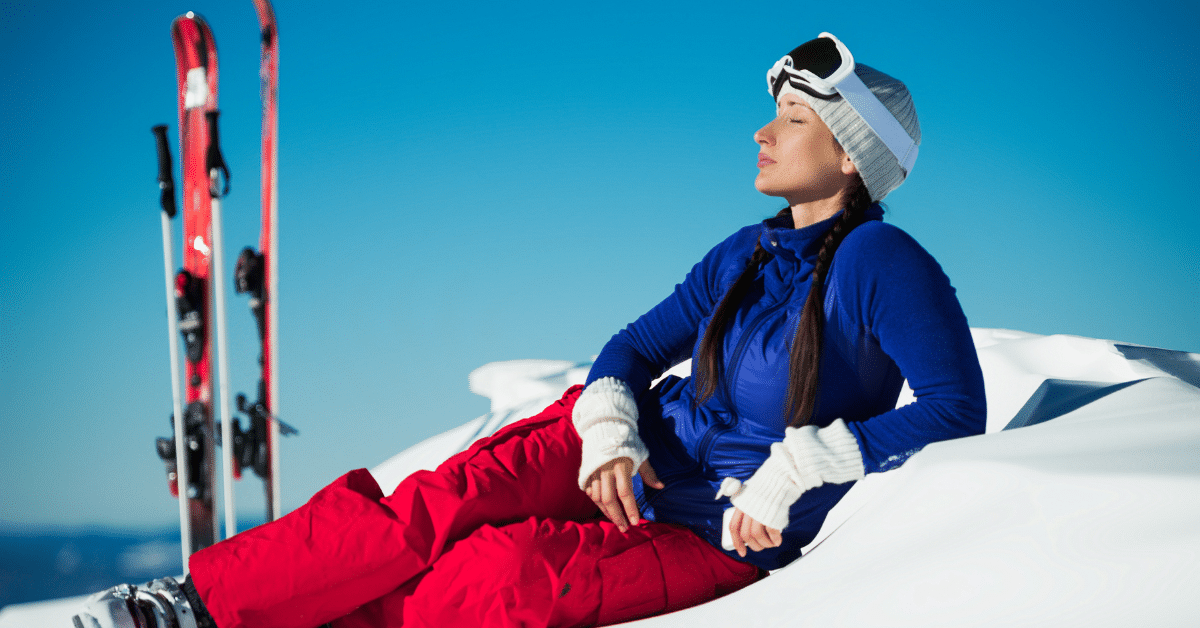
Protection is important year-round, but its intensity can vary. In winter, especially in the mountains, UV radiation is more intense due to reflection off snow and thinner air. In summer, on the other hand, the highest possible protection is needed.
Specific situations and solutions for sun protection
Life isn’t just about lying on the beach—we play sports, swim, hike in the mountains, or spend our days in the office. Each of these situations requires a specific approach to skin protection.
The regular sunscreen we use on a beach vacation may not be ideal for running or cycling, for example. Different activities and environments place completely different demands on skin protection. Let’s take a look at the most common situations together and find out what kind of protection is best suited for each.
Sports and Outdoor Activities—Which Product and SPF?
Lightweight, fast-absorbing formulas are ideal for athletes. „Odporúčam používať vodeodolné prípravky s SPF 50+ a reaplikovať ich každé dve hodiny, pri intenzívnom potení aj častejšie,“ advises the sports medicine doctor.
Sprays or sticks are practical, as they can be easily applied even while you’re active.
Swimming and Water Sports—Which Product and SPF?
Pri vodných športoch je kľúčová vodeodolnosť. Hľadajte označenie ‚water resistant‘ alebo ‚very water resistant‘, ktoré garantuje ochranu 40-80 minút vo vode. Po každom kúpaní je potrebné ochranu obnoviť, aj keď je prípravok vodeodolný.
High-altitude hiking – which product and SPF?
At high altitudes, UV radiation is more intense. „UV radiation intensity increases by 4% for every 300 m of altitude. At 1,500 m, it is 20% higher than at sea level.“ That’s why it’s essential to use SPF 50+ and not forget to protect your lips and ears with special balms.
Daily protection – which product and SPF?
For a typical day in the city or at the office, lightweight formulas that blend well with makeup are ideal. Even through an office window, we’re exposed to UVA rays, which cause premature skin aging.
A dermatologist recommends using at least SPF 30 and reapplying protection throughout the day using convenient SPF sprays or powders.
Proper Application of Sunscreen: The Key to Real Protection
Do you have a high-quality sunscreen with a high SPF, but still get sunburned from time to time? You might not be applying it correctly.Množstvo ľudí používa príliš málo prípravku alebo ho nenanáša správnym spôsobom,“ says dermatologist Dr. Karolína Baumgartnerová. Even the best sunscreen can’t work if we don’t use it correctly.
Amount of Sunscreen
Most of us use only a quarter of the amount of sunscreen needed. For proper protection, we need approximately 35 ml (two tablespoons) of sunscreen for the entire body. „Na tvár a krk by ste mali použiť množstvo zodpovedajúce čajovej lyžičke,“ explains MUDr. Baumgartnerová.
To give you a better idea—squeeze enough cream onto your palm to create a continuous layer from your wrist to your fingertips.


Timing of Application
Timing is key. Apply sunscreen at least 20–30 minutes before sun exposure. Chemical filters need time to activate and form a protective layer. If you wait until you’re at the beach to apply it, you’ll be practically unprotected for the first 20 minutes.
Reapplication Frequency
A single application is not enough. Sunscreen must be reapplied every 2 hours, and more frequently after swimming or heavy sweating. Even water-resistant products aren’t indestructible—sweat, water, towels, and clothing gradually break down the protective layer.
Critical Areas
Ears: We often forget about them, yet they’re very prone to sunburn. Don’t forget to apply sunscreen not only to the outer part but also to the creases.
Lips: The skin on the lips is very thin and has no natural protection against UV radiation. Special balms with SPF provide protection; regular lip gloss isn’t enough.
Nose: The nose is the first place to get sunburned. It’s also prone to developing age spots. It’s best to use a stick with a high SPF and reapply throughout the day.
Other commonly overlooked areas include:
- The scalp (especially the parting in the hair)
- The insteps of the feet
- The backs of the knees
- The décolletage
- The shoulders
The best advice is to apply sunscreen systematically—working your way from head to toe and not skipping any part of the body. It’s better to use more product than to risk getting sunburned.
SPF for the Face: A Daily Necessity of Modern Life
The skin on your face deserves special attention, as it is one of the most sensitive parts of your body and faces a multitude of harmful influences every day. Dermatologists emphasize that the face, in particular, needs year-round protection from UV radiation, which penetrates our skin even in seemingly safe situations.
SPF and Skin Type
When choosing the right SPF product, it’s crucial to consider your skin type. While oily skin needs lightweight, non-greasy textures, dry skin will benefit from moisturizing formulas.
Sensitive skin responds best to fragrance-free mineral filters, and for acne-prone skin, non-comedogenic options that don’t clog pores are ideal.
Hidden UV Threats: Where Do You Need SPF Protection?
Many people are surprised to learn that UV radiation poses a threat even in situations we don’t normally consider risky. When flying, we’re exposed to more intense UV radiation due to higher altitude.
Similarly, sitting by a window in the office means increased exposure to UVA rayswhich penetrate glass.
Modern SPF Protection Options: From Powders to Lip Balms
Today, we have a wide range of products available for comprehensive protection. In addition to classic creams , powders with SPFare an excellent choice, as they allow for easy reapplication of protection throughout the day, even over makeup.
Makeup containing SPF can serve as additional protection, but it should never be the sole source of UV protection. Let’s not forget about the sensitive skin on our lips—a high-quality ip balm with SPF should be a staple in every purse.
Skincare Routine with SPF
As part of your daily routine, an SPF product should be the final step in your skincare regimen before applying makeup. First, apply a moisturizer, then SPF, and only then apply makeup. In the evening, it’s important to thoroughly cleanse your skin to remove all traces of sunscreen.
Myths and Facts About Sunbathing: What’s True and What’s Just a Superstition?
There are many myths and half-truths circulating about sunbathing and sun protection. „Denne sa stretávam s pacientmi, ktorí majú skreslené predstavy o tom, ako sa správne chrániť pred slnkom,“ dermatologist Dr. Karolína Baumgartnerová. Let’s clear up the most common misconceptions and look at the scientifically proven facts.
The Most Common Misconceptions
„S vyšším SPF sa nemusím natierať často“
This is a dangerous myth. The SPF factor does not determine how long the protection lasts, but how strongly it protects us. Whether we use SPF 30 or 50, the product must be reapplied.
„Tmavá pokožka nepotrebuje opaľovací krém“
Although darker skin has naturally higher protection, that doesn’t mean it’s immune to UV radiation. Even people with dark skin can develop skin cancer. UV radiation damages cellular DNA regardless of skin type.
„Opaľovací krém bráni získavaniu vitamínu D“
No study has yet confirmed that using SPF-containing sunscreen products leads to vitamin D deficiency. Just 10–15 minutes of sun exposure several times a week is sufficient for vitamin D production, even when using sunscreen.
„Pri zamračenom počasí nie je ochrana potrebná“
A big misconception. UV radiation penetrates even through clouds. In fact, up to 80% of UV radiation can reach the earth on a cloudy day.
Science-backed facts about UV radiation and skin protection
While there are many myths and half-truths circulating about tanning and sun protection, let’s look at what the latest scientific research from renowned Slovak and international institutions actually shows regarding the impact of UV radiation on our skin and the effectiveness of various forms of protection.
DNA Damage and Premature Aging
A single day in the sun can cause up to a million instances of DNA damage in a single cell. This is confirmed by a study published in the journal *Nature Reviews Cancer* [DOI: 10.1038/nrc3483]
Although our bodies have natural repair mechanisms, repeated and excessive sun exposure prevents them from repairing all the damage Research by the Slovak Academy of Sciences further demonstrates that this damage accumulates and leads to premature skin aging
The Critical Childhood Period
Studies by the National Cancer Institute confirm that as few as five severe sunburns during childhood can triple the risk of developing melanoma in adulthood. Children’s skin is thinner, and its defense mechanisms are not fully developed. Therefore, protecting children from UV radiation is crucial for preventing skin cancer later in life.
The Effectiveness of Regular Sun Protection
A long-term study conducted by the Slovak Society of Dermatology and Venereology has shown that regular use of broad-spectrum sunscreen with SPF 30+ reduces:
- The risk of melanoma by 40%
- The risk of basal cell carcinoma by 50%
- The risk of actinic keratosis by 60%
The Hidden Danger Behind Glass
Many people are unaware that UVA radiation, which causes premature skin aging and age spots, also passes through glass.
Measurements by the Slovak Medical University have shown that ordinary window glass transmits:
- 75% of UVA radiation
- 30% of UVB radiation
This applies to windows in the office, in the car, and at home. That’s why experts recommend using sun protection even on ordinary days, not just at the beach.
Year-Round Need for Sun Protection
Slovenský hydrometeorologický ústav pravidelne meria intenzitu UV žiarenia. „Aj v zimných mesiacoch dosahuje UV index hodnoty, pri ktorých je potrebná ochrana pokožky. Najmä vo vyšších nadmorských výškach a pri snehovej pokrývke, ktorá odráža až 80% UV žiarenia.
The Slovak Hydrometeorological InstituteSHMIstates in its 2023 report:
- Average UV index in winter: 1–2
- Average UV index in summer: 7–8
- Increase in UV radiation with altitude: 10–12% per 1,000 m
How do different surfaces affect the intensity of UV radiation?
It may surprise you, but the intensity of UV radiation does not depend solely on direct sunlight. Reflection from various surfaces we commonly encounter also has a significant impact. Experts refer to this phenomenon as surface albedo.
Snow—the greatest amplifier
Fresh snow is a true champion at reflecting UV radiation. It can reflect up to 70–80% of incident UV radiation. That’s why we can get sunburned even in the winter in the mountains, often even more severely than in the summer at the beach.
Water – a treacherous reflective surface
The situation is more complicated when it comes to water. The amount of reflected radiation depends on:
- The sun’s altitude in the sky
- Water clarity
- The depth of the body of water
Interestingly, in the morning and early evening, when the sun is lower in the sky, more UV radiation is reflected off the water’s surface than at noon. In clear water, up to 95% of UV radiation penetrates to depth, with half of it reaching a depth of 50 centimeters.
Common surfaces in our surroundings
Most natural surfaces reflect relatively little UV radiation:
- Concrete: 8–12%
- Grass: 3–5%
- Sand: 15–25%
- Asphalt: 5–10%
UV radiation in the mountains: Why is protection necessary all year round?
Many of us do not realize that high-altitude environments pose a specific risk in terms of UV radiation throughout the year. With every ascent to higher elevations, we encounter a thinner layer of the atmosphere, which naturally filters out fewer harmful UV rays.
This effect is further amplified by the cleaner mountain air, which scatters UV radiation less.
Spring and Fall Surprises
Spring and fall can be particularly treacherous in the mountains. The combination of still-intense sunlight and snow cover creates conditions where UV radiation reaches levels comparable to those in summer. At the same time, cooler temperatures often lull us into a false sense of security, leading us to underestimate the need for protection.
The Amplification of UV Radiation in Mountain Environments
The intensity of UV radiation in the mountains increases exponentially. It rises by approximately 4% for every 300 meters of elevation, and this effect is even more pronounced in the presence of snow, which can reflect up to 80% of incident UV radiation. Rocky surfaces also contribute to the overall exposure, as they reflect 20–30% of the radiation.
Extra caution is needed during activities on snow or glaciers, where UV radiation can be amplified several times over. It is equally important to adjust sun protection when taking medications that may increase sensitivity to the sun, and to pay special attention to protecting children and people with sensitive skin.
For a safe stay in the mountains, it is essential to:
- Regularly check the UV index for your location
- Plan activities with the time of day in mind
- Always have comprehensive protection ready
- Do not underestimate the situation, even at lower temperatures
UV Protection Near Water: What You Should Know
The idea that the water’s surface provides natural protection against UV radiation can be dangerously misleading. Water does not act as a protective shield; on the contrary, it can actually intensify the intensity of UV radiation.
In shallow water, we face a double effect—direct radiation from the sun and reflected radiation from the water’s surface—which creates an extremely risky environment for our skin.
Choosing the Right Sunscreen
When spending time near water, it’s essential to use special water-resistant sunscreen. These products are designed to remain effective even when exposed to water or during heavy sweating. Nevertheless, they must be reapplied regularly—ideally after every swim.
Comprehensive Protection Underwater
A common misconception is that parts of the body submerged underwater do not need protection. UV rays penetrate water to considerable depths and can cause sunburn even underwater. Therefore, it is essential to apply sunscreen to the entire body, including areas that will be submerged.
Early Morning
Although the temperature is more pleasant in the morning, UV radiation can be surprisingly intense. Reflection off the water’s surface is significant in the early morning and can contribute to unexpected sunburn.
Early Evening
A similar situation occurs in the early evening, when lower temperatures can be misleading regarding the intensity of UV radiation. The slanted angle of the sun’s rays, combined with reflection off the water, creates risky conditions.
Eye Protection Near Water
High-quality sunglasses are not just a fashion accessory near water—they’re a necessity. They should meet the following criteria:
- Provide 100% UV protection
- Have polarized lenses to reduce glare
- Be suitable for water sports
- Ideally, also provide side protection
Healthy Sunbathing
„Termín ‚zdravé opaľovanie‘ je zavádzajúci,“ vysvetľuje dermatologička MUDr. Baumgartnerová. „Každé stmavnutie pokožky je v skutočnosti známkou poškodenia DNA buniek. Napriek tomu však existujú bezpečnejšie spôsoby, ako si užívať slnečné lúče.“
Gradual Sun Exposure
If you want a tan, the key is to take it slowly and use proper protection. Experts recommend starting with short, 15-minute sessions in the sun, which can be gradually extended by 5–10 minutes each day. However, the foundation is always thorough skin protection using products with an adequate SPF.
The Right Time to Sunbathe
Proper timing of sun exposure also plays a crucial role. The midday sun between 11 a.m. and 3 p.m. is the riskiest, as UV radiation is at its strongest during this time. During these hours, you should seek shade and protect your skin with appropriate clothing.
Preparing for Sun Exposure
Proper skin preparation can also contribute to safer sun exposure. Regular, gentle exfoliation to remove dead skin cells is recommended, as well as thorough hydration both internally and externally. A diet rich in antioxidants, beta-carotene, and vitamins D and E also has a significant impact.
After-Sun Care
Po opaľovaní je nevyhnutná regenerácia pokožky. „Používajte upokojujúce prípravky s obsahom aloe vera alebo panthenolu,“ radí dermatologička. „Pokožku pravidelne hydratujte a doprajte jej dostatok času na regeneráciu medzi jednotlivými expozíciami slnku.“
Namiesto termínu ‚zdravé opaľovanie‘ by sme mali hovoriť about a responsible approach to sun exposure.The skin has natural protective mechanisms, but it needs our support and a sensible approach to stay healthy and beautiful in the long term.
Tanning Beds: The Myth of Safe Tanning
Although tanning beds offer a quick way to achieve a tanned appearance, dermatologists warn against their use. UV radiation in tanning beds is often more intense than natural sunlight and significantly increases the risk of skin cancer and premature aging..
The World Health Organization (WHO) has classified tanning beds as a Group 1 carcinogen,just like cigarette smoke.
Risks of Tanning Beds:
- Increased risk of melanoma
- Premature skin aging
- Eye damage
- Weakening of the immune system
- Allergic reactions

Self-Tanning Products: The Path to a Bronze Complexion
The desire for a tanned complexion is natural, but it is not always safe or possible to achieve a bronze glow through traditional sunbathing. This is where self-tanning products come in, offering a safe alternative without the risk of UV damage.
How do self-tanning products work?
These products are based on a substance called DHA (dihydroxyacetone), which reacts with amino acids in the skin’s outer layer. This reaction creates pigments similar to natural melanin, giving the skin a golden glow. The effect begins to appear approximately 2–3 hours after application, peaks after 24 hours, and lasts for 5–7 days.
Choosing the Right Product
When choosing a self-tanning product, it’s important to consider not only your skin type but also the application method that works best for you.
Lotions offer the best control during application and often contain moisturizing ingredients Foams spread easily and dry quickly, which you’ll especially appreciate when applying to large areas of the body. Drops for facial use allow you to build color gradually and minimize the risk of streaks.
Sprays on the other hand, make it easier to apply the product to hard-to-reach areas.
Skin preparation is the key to success
Thorough skin preparation is essential before applying a self-tanner. Start with a gentle exfoliation to remove dead skin cells and ensure an even result. Then moisturize your skin thoroughly, but let the cream absorb completely.
Pay special attention to drier areas such as elbows, knees, and ankles—apply a thin layer of body lotion here to prevent darker spots.
Professional Tips for Perfect Self-Tanning Application
To achieve a natural result, use an application glove to prevent staining your palms and ensure even coverage. Work systematically in sections and massage the product in using circular motions.
On your face, start from the center and work toward the edges, and don’t forget to gently blend the product onto your neck and behind your ears. After application, wait at least 10 minutes before getting dressed, and avoid water and sweating for at least 8 hours.
Maintaining Your Tan
The color from self-tanning products will last longer if you follow a few basic rules. Moisturize your skin regularly, avoid long baths, and use gentle cleansers. When the color starts to fade, you can refresh it with another application, ideally every 5–7 days.
For a more natural effect, you can use self-tanning drops mixed with body lotion, which allows you to build up the shade gradually.
Important Notes
Self-tanning products do not provide any protection against UV radiation. Therefore, it is essential to use sunscreen with an SPF when spending time in the sun. Always test a new product on a small patch of skin before use to prevent allergic reactions. Pregnant women should consult their doctor before using self-tanning products.
Topless Sunbathing
Opaľovanie „topless“ má v Európe dlhú tradíciu, najmä v prímorských krajinách ako Francúzsko či Španielsko. Napriek tomu, že tento trend v posledných rokoch ustupuje, stále existujú pláže, kde je táto forma opaľovania bežná.
However, dermatologists warn that the skin on the breasts is extremely sensitive to UV radiation and requires special attention. Excessive sun exposure in this area can lead not only to sunburn and premature skin aging but also increases the risk of skin cancer.
Risks of Insufficient Sun Protection: What to Watch Out For?
Underestimating the importance of UV protection can have serious consequences for our health. Dermatologists note that the number of patients with problems caused by excessive sun exposure is rising every year.
Let’s take a look at the main risks we face when we don’t protect ourselves adequately.
Sunburn
Sunburn isn’t just unpleasant redness—it’s actually a first-degree burn that causes damage to cellular DNA.
Symptoms of sunburn:
- Redness of the skin
- Burning and itching
- Swelling of the affected areas
- Blisters (in severe cases)
- Nausea and fever (in cases of extensive sunburn)
Premature aging
Long-term exposure to UV radiation without protection significantly accelerates the skin’s aging process „Až 80% viditeľných známok starnutia je spôsobených UV žiarením, nie prirodzeným procesom starnutia,“ according to an article in the scientific journal Molecules from 2014.
Signs of photoaging:
- Deep wrinkles
- Loss of elasticity
- Dry, rough skin
- Uneven texture
- Enlarged pores
- Yellowish skin tone
Pigment spots
Hyperpigmentation is a common consequence of insufficient sun protection. It occurs when melanin (the skin’s pigment) is deposited unevenly.
Types of pigment spots:
- Freckles
- AGE SPOTS
- Melasma (especially during pregnancy)
- Post-inflammatory hyperpigmentation
Skin cancer: The most serious risk of insufficient protection
Skin cancer represents the most serious risk of insufficient protection against UV radiation. Alarming statistics from the National Cancer Institute show that the number of cases has doubled over the past 20 years.
Dermatologists distinguish three main types of skin tumors, which differ in severity and progression.
Basal cell carcinoma—the most common but least aggressive
Basal cell carcinoma accounts for nearly 80% of all skin cancer cases.This type of tumor is characterized by slow growth and rarely metastasizes to other parts of the body. When detected early, it is highly treatable and has an excellent prognosis. It most commonly appears in areas regularly exposed to the sun, particularly on the face and neck.
Squamous cell carcinoma – a moderately severe type
The second most common type of skin cancer has a more aggressive course than basal cell carcinoma. Squamous cell carcinoma often develops on chronically damaged skin, such as areas exposed to the sun over a long period or on scars.
Unlike basal cell carcinoma, it can metastasize to surrounding tissues and lymph nodes, so it requires prompt and thorough treatment.
Melanoma—The Most Dangerous Type
Although melanoma is the rarest type of skin cancer, it poses the greatest threat to life. It is characterized by rapid growth and aggressive spread to other parts of the body. Melanoma often arises from existing moles, so it is crucial to regularly monitor any changes in them.
If detected late, it has a high mortality rate, but with early diagnosis, it is treatable. This is precisely why dermatologists emphasize the importance of regular preventive checkups.
Any change on the skin that persists for more than a month should be evaluated by a specialist.
[https://www.nierakovine.sk/rakovina-koze/co-je-rakovina-koze]
Preventive Measures Against Skin Cancer
Effective skin cancer prevention rests on five basic pillars that should become part of your regular health care routine. Each of these steps plays a key role in the early detection of potential problems.
The foundation of prevention is regular skin self-examination,which should be performed at least once a month. During this examination, you should thoroughly inspect your entire body, including hard-to-reach areas such as the scalp and back; you can use a mirror or ask a loved one for help.
When checking moles, the internationally recognized ABCDE methodis used, which examines five main characteristics: asymmetry (A), borders (B), color (C), diameter (D), and evolution (E). Any change in these parameters should be discussed with a specialist.
An integral part of prevention is an annual visit to a dermatologist,who, using a dermatoscope, can detect even early changes invisible to the naked eye. These preventive screenings are fully covered by health insurance and take approximately 15–20 minutes.
Special emphasis should be placed on preventing sunburn,because every severe sunburn—especially during childhood—significantly increases the risk of developing melanoma in adulthood. When spending time in the sun, it is therefore essential to allow your skin to adapt gradually and not to exceed the recommended exposure time for your skin type.
Expert recommendations for the healthiest possible tanning and sun exposure:
- Use broad-spectrum protection (UVA + UVB)
- Apply a sufficient amount of sunscreen
- Protect yourself even in the shade
- Combine SPF with other protective measures (clothing, hat, sunglasses)
- Avoid being in the sun between 11:00 a.m. and 3:00 p.m.
- Check your moles regularly
Additional Protection Against UV Radiation: More Than Just Sunscreen
Although sunscreen forms the basis of sun protection, it is often not enough on its own. Comprehensive protection against UV radiation requires a combined approach that includes several preventive measures.
Protective clothing
The right clothing can be even more effective than sunscreen. Modern protective fabrics provide a high level of protection while remaining comfortable to wear.
Key features of protective clothing:
- Dense, tightly woven fabric blocks more UV radiation
- Darker colors provide better protection than light colors
- Special UV-protective materials have a certified UPF (Ultraviolet Protection Factor)
- A looser fit is more effective than tight-fitting clothing
A standard summer T-shirt has a UPF of around 5–7, while specialized UV-protective clothing achieves a UPF of 50+.
UV-protective accessories
Accessories play a key role in protecting sensitive areas:
Headwear
- Wide-brimmed hat (brim at least 7.5 cm wide)
- Cap with neck protection
- Sports caps with UV protection
Sunglasses
High-quality sunglasses are not just a fashion accessory. They should have certified UV400 protection, which blocks 99–100% of UV radiation.
Umbrellas and shelters
- UV-protective umbrellas with UPF 50+
- Beach tents and shelters
- Shade sails
Time Management for Sun Exposure
Proper timing of activities can significantly reduce the risk of UV-related damage.
Basic rules for sun exposure:
- Avoid being in the sun between 11:00 a.m. and 3:00 p.m.
- Plan outdoor activities for the morning or early evening
- Monitor the UV index and adjust your activities accordingly:
UV index 1–2: safe
UV index 3–5: basic protection required
UV index 6–7: increased protection required
UV index 8+: limit time spent outdoors
The shadow rule is a simple way to estimate the intensity of UV radiation. If your shadow is shorter than your height, the UV radiation is too strong, and you should seek shade.
Internal Sun Protection
While external protection against UV radiation is essential, many people are also interested in ways to support protection from the inside.
Beta-Carotene and Carotenoids
Beta-carotene can help prepare your skin for the sun, but it is not a substitute for external protection.
Key facts:
- Start taking it at least 4–6 weeks before sun exposure
- Recommended daily dose: 6–15 mg
- Does not protect against sunburn
- May support a natural tan
- Acts as an antioxidant
[https://pubmed.ncbi.nlm.nih.gov/23053552/]
Vitamin D
Studies have never found that daily use of sunscreen leads to vitamin D deficiency. In fact, people who use sunscreen daily are able to maintain their vitamin D levels.
Additionally a four-year study from Queensland, Australia, involving 1,113 participants, confirmed that vitamin D levels in people who use sunscreen are the same as in those who do not use it at all.
Recommendations:
- Daily requirement for healthy people: 800–1,000 IU
- It is advisable to monitor levels through blood tests
- Supplementation under a doctor’s supervision
- Combine with adequate calcium intake
Hyaluronic acid
Internal use of hyaluronic acid can support skin hydration and regeneration after sun exposure.
Important Notes
No dietary supplement replaces external protection against UV radiation.
Before taking supplements, it is advisable to:
- Consult a doctor about their use
- Check for interactions with medications
- Follow the recommended dosage
- Choose high-quality products from reputable manufacturers
Natural Sources in the Diet
The best approach is a balanced diet rich in antioxidants.
Recommended foods:
- Carrots, sweet potatoes (beta-carotene)
- Citrus fruits (vitamin C)
- Nuts and seeds (vitamin E)
- Tomatoes (lycopene)
- Green tea (polyphenols)
- Brazil nuts (selenium)
Conclusion: Sensible Protection for Healthy Skin
Sunbathing doesn’t have to be a nightmare if we approach it responsibly and sensibly. As we’ve shown, the key to safe sun exposure is a comprehensive approach that combines multiple protective strategies.
Remember the basic rules:
- Use high-quality sunscreen with a sufficient SPF
- Manage your time in the sun wisely
- Don’t forget to wear protective clothing
- Treat yourself to nutrition that supports skin protection from the inside
The sun is our friend if we learn to work with it properly. A moderate amount of sunlight is essential for our health, but let’s keep in mind the balance between the benefits and the risks.
No matter what combination of protective measures we choose, the most important thing is to stay consistent and build healthy habits that will help us enjoy sunny days without unnecessary worries. Your skin will thank you for this responsible approach not only during the summer but also in the years to come with its vitality and healthy appearance.