








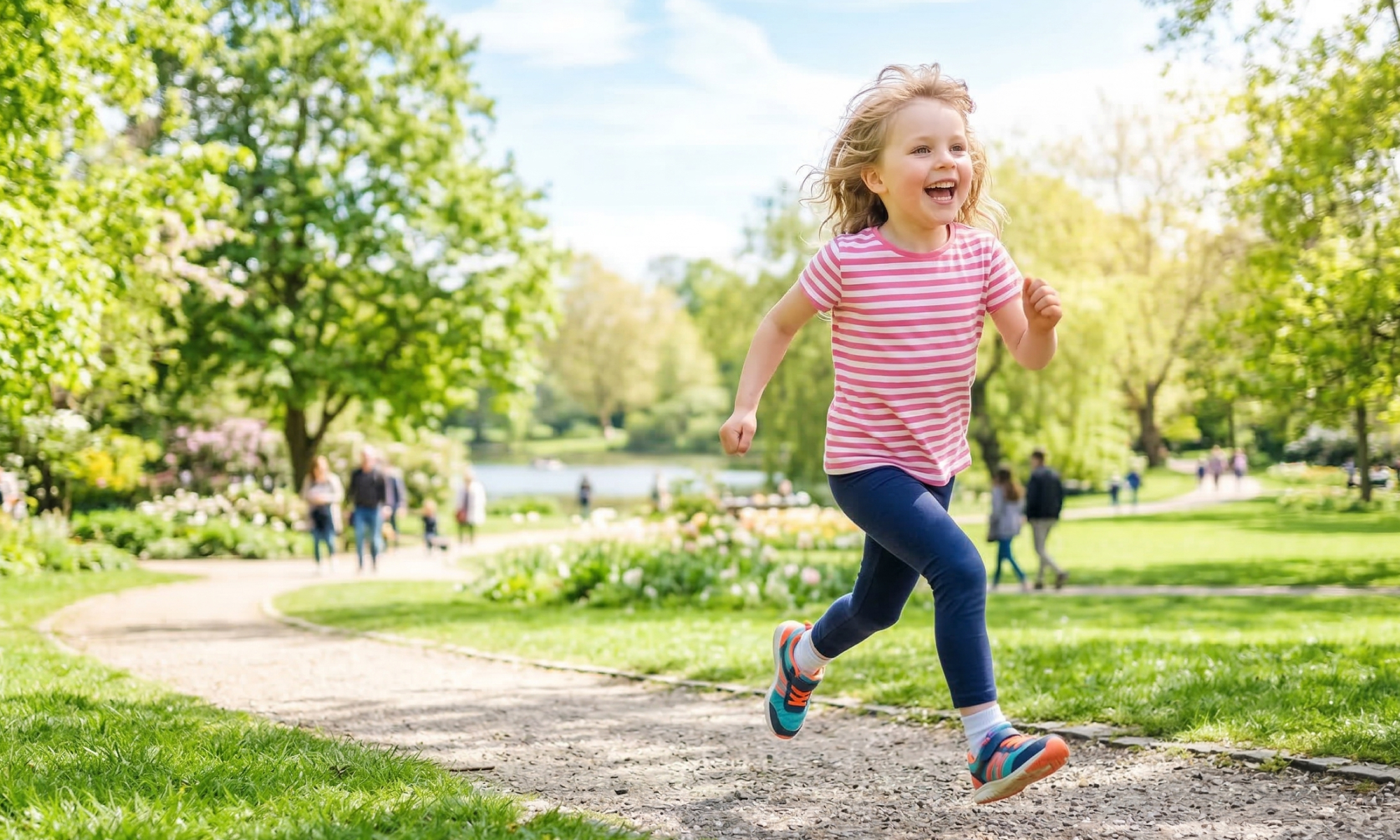
Children who regularly move or play sports often achieve better results at school. At first glance, it might seem that sport takes time away from learning.
However, the opposite is true movement significantly improves brain function, concentration to remember new concentration information. Regular physical activity is therefore not only a path to a healthy body, but also an important tool for brain development.
Movement improves blood circulation to the brain
During physical activity, blood flow increases in both the body and the brain, allowing the brain to receive more oxygen, glucose, and nutrients necessary for nerve cells. Better blood circulation in the brain leads to:
- faster information processing
- better ability to concentrate
- higher mental performance
Some schools abroad even introduce short movement sessions before classes, because children,are then able to concentrate better.
Movement supports the formation of new neural connections
Fyzická aktivita stimuluje tvorbu molekuly nazývanej BDNF (Brain Derived Neurotrophic Factor) often referred to as“brain fertilizer”because it supports:
- the growth of new nerve cells
- the formation of synapses
- learning and memory
In children, whose brains are still developing, this process significantly enhances the ability to learn schopnosť učiť sa new information.
Better concentration and a more stable mood
Sport influences the production of neurotransmitters that regulate mood and attention, such as dopamine, serotonin, and endorphins. These substances help children:
- focus better
- manage stress
- maintain motivation when learning
It is therefore no coincidence that regular physical activity is often recommended for concentration problems or hyperactivity.

Sport teaches discipline and perseverance
Sport influences the production of neurotransmitters that regulate mood and attention, such as dopamine, serotonin, and endorphins. These substances help children:
- work towards a long-term goal
- cope with failure
- respect rules
- function as part of a team
These skills naturally transfer into the school environment.
Quality sleep supports learning
Regular movement also improves sleep quality. During sleep, the brain processes information gained during the day and creates long-term memory traces.Children who are physically active often have deeper sleep and are able to concentrate better in the morning.
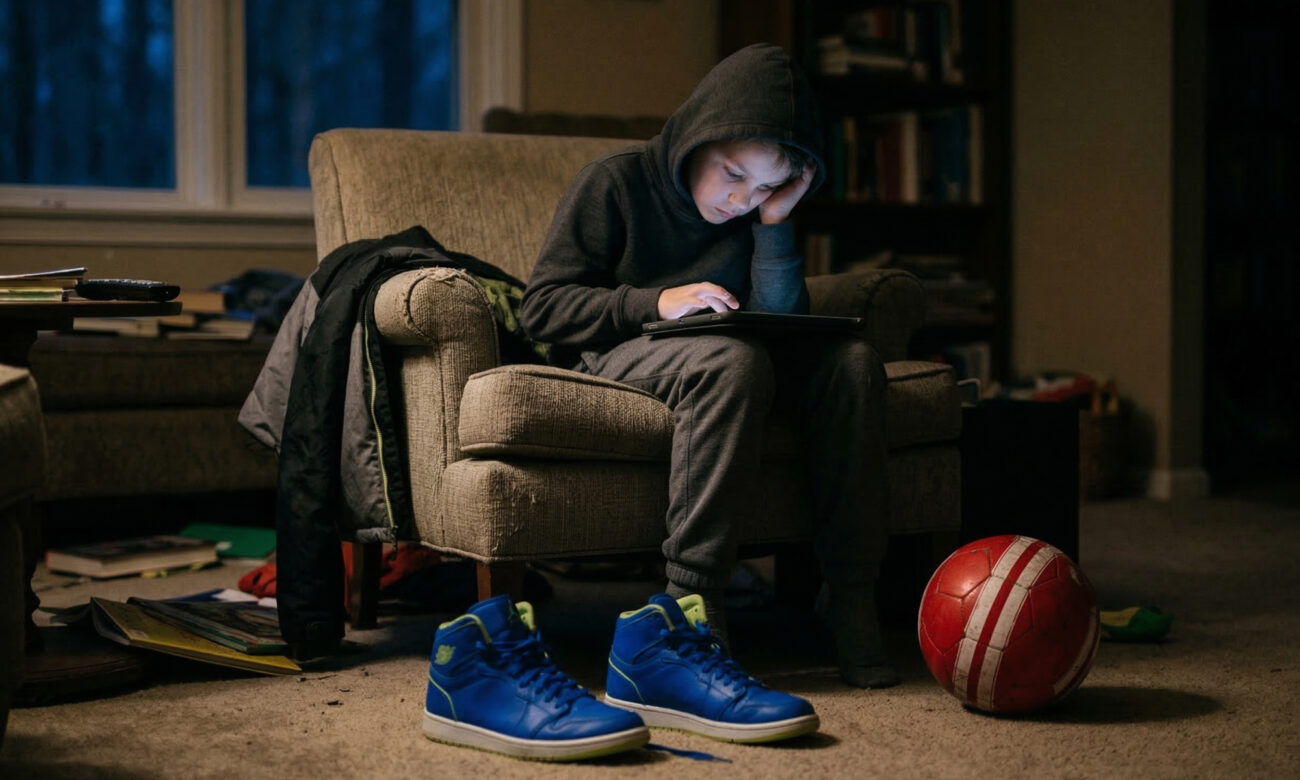
The paradox of modern times
Modern lifestyle means that children spend more and more time:
- in front of screens
- on computers or mobile phones
- indoors
The World Health Organization recommends at least 60 minutes of movement per day.A lack of activity can lead not only to poorer physical condition, but also to:
- lower concentration
- higher fatigue
- worse learning ability
Why recovery is also important for child athletes
For children who engage in regular training, it is important to also consider the recovery of the musculoskeletal system.
- joints and cartilage are still developing
- muscles and tendons must handle repeated load
- the body needs sufficient nutrients for tissue regeneration
That is why increasing attention is being paid to the nutrition of active childrenwhich supports the healthy development of the musculoskeletal system.
A product such as Skeeneffect ® Synovialis Active Kids is designed specifically with the needs of young athletes in mind. It combines bioactive substances that support:
- joint regeneration
- cartilage health
- recovery of the musculoskeletal system under sports load
The goal is to help children manage training load so they can engage in physical activity long-term and in a healthy way.
Movement is an investment in children’s future
If we want to support healthy development, movement should be a natural part of children’s daily lives. It is not only about sports performance – movement helps children:
- learn better
- concentrate
- manage stress
- build a healthy body and brain
Sport should therefore not be seen as an “after school” activity, but as one of the best preparations for school and life.